

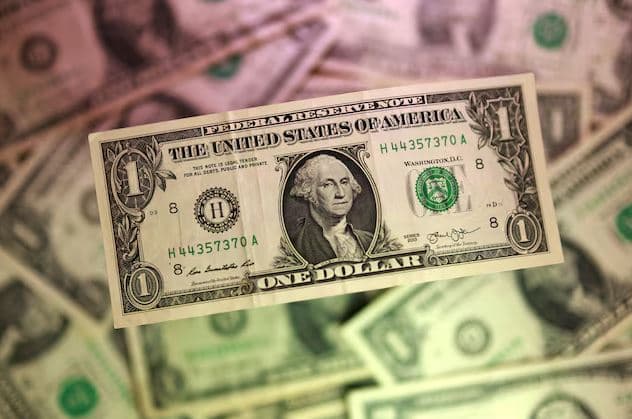
The US dollar slipped on Wednesday as traders braced for the Federal Reserve's first interest rate decision under new Chairman Kevin Warsh, a meeting being watched as much for tone as for the actual rate outcome. The Fed funds target has sat at 3.50% to 3.75% across three straight meetings this year, and futures markets tracked by CME FedWatch put the odds of another hold near 97% heading into Wednesday's announcement at 2:00 p.m. ET. Warsh's 2:30 p.m. press conference, his first as chairman, is where most analysts expect the real signal to emerge.
Why the Dollar Is Under Pressure Today
Currency desks pointed to two forces pulling the dollar lower this week. The first is renewed optimism around an interim US-Iran peace arrangement, which has eased safe-haven demand for the greenback. The second is simple positioning: with a hold already priced in, traders are looking past the decision itself to what Warsh says about the path ahead.
Movement across major pairs reflected that caution:
- The euro held near $1.1611.
- Sterling traded close to $1.3430.
- The New Zealand dollar edged up to $0.5833.
- The yen stayed weak against the dollar, pressured further after a well-telegraphed Bank of Japan rate hike that delivered no surprises.
A Fragile Geopolitical Backdrop
Energy markets remain the wildcard. Oil-driven inflation tied to the conflict in Iran has already shown up in producer prices, and any shift in the ceasefire outlook could just as easily reverse the dollar's recent softness as extend it.
Kevin Warsh's First Test as Fed Chairman
Warsh took over from Jerome Powell earlier this year after a contentious nomination process, and he enters this meeting with something his predecessor rarely had: a president who says he trusts him. That trust gives Warsh more room to set his own course, according to people familiar with the relationship, though Washington watchers note Trump's history of shifting allegiances quickly.
Warsh has been candid about wanting lower rates over time, a smaller Fed balance sheet, and a fresh look at how inflation is measured. None of that changes the math for this particular meeting, where a hold is all but locked in. What it does change is how every word in the statement and press conference gets parsed.
From Confirmation to the Chairman's Seat
At his April confirmation hearing, Warsh said he is willing to listen to the White House or anyone else on rates but that the final call belongs to the Fed. He has also chosen to be addressed as "chairman" rather than "chair," reversing twelve years of precedent set by Janet Yellen and Jerome Powell. The change is symbolic rather than substantive, but symbolism matters in a role this exposed to political pressure.
What the Data Says About Inflation and Growth
The economic backdrop for this meeting is messier than the rate odds suggest:
- May's consumer price index rose 4.2% year over year
- Producer prices climbed even faster, up 6.5%
- Unemployment sits near 4.4%, a level the Fed still considers consistent with a resilient labor market
- Energy costs tied to the Iran conflict are the main driver of the recent inflation pickup, which some officials argue should be treated as noise rather than a trend
That last point is contentious inside the Fed itself. Food and energy prices are volatile by nature, and policymakers are divided on how much weight to give a spike that may not persist.
How This Plays Out for Households and Businesses
A weaker dollar is not an abstract market story. It shows up in higher prices for imported goods, in the cost of overseas travel, and in the margins of any US business that buys materials priced in foreign currency. On the other side, exporters and multinational firms with overseas earnings tend to benefit when the dollar softens, since their products become cheaper for foreign buyers and overseas profits convert into more dollars at home.
For now, the bigger risk to household budgets is not the dollar but the inflation data sitting underneath it. If energy-driven price pressure proves sticky rather than temporary, the Fed's room to cut rates later this year narrows, and borrowing costs for mortgages, auto loans, and credit cards stay elevated for longer.
Key Takeaways
- The Fed is widely expected to hold rates at 3.50% to 3.75% on June 17, 2026.
- The dollar weakened on easing safe-haven demand tied to US-Iran peace optimism.
- Kevin Warsh's press conference, not the rate decision, is the main event for markets.
- May inflation data came in hot, with CPI up 4.2% and PPI up 6.5%.
- Warsh favors lower rates over time, a smaller balance sheet, and revised inflation measurement.
Currency markets are positioning cautiously, with the yen still under pressure despite a BOJ hike.