

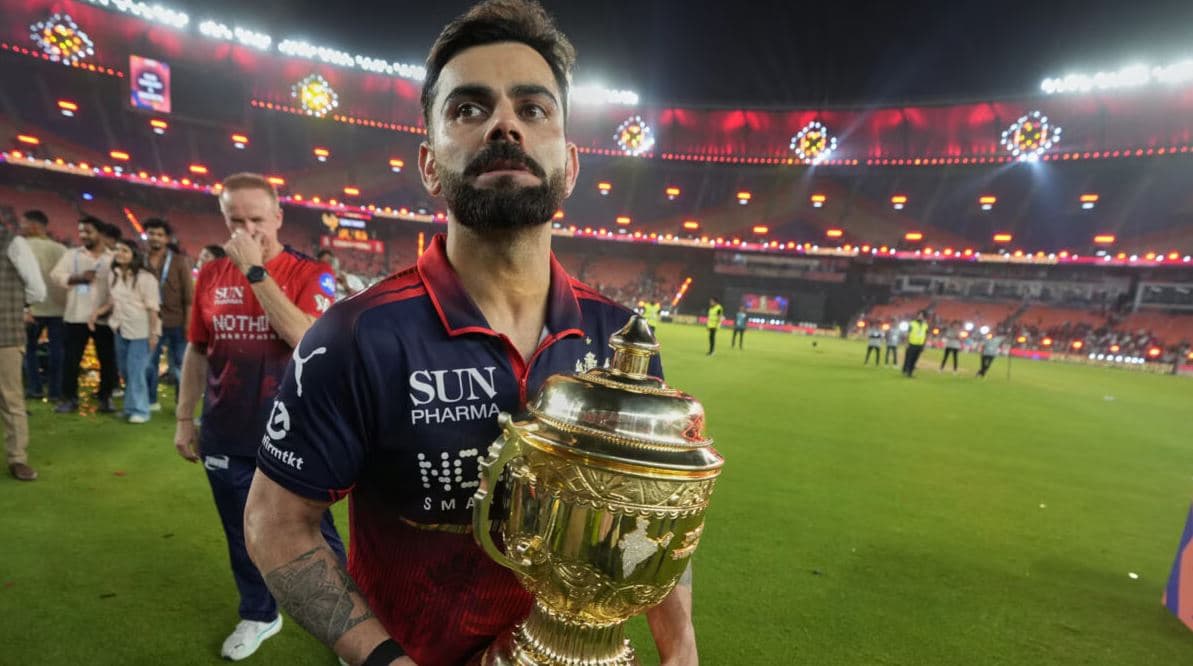
Royal Challengers Bengaluru (RCB) have successfully defended their Indian Premier League title, defeating Gujarat Titans (GT) by five wickets in the IPL 2026 final at the Narendra Modi Stadium in Ahmedabad on May 31.
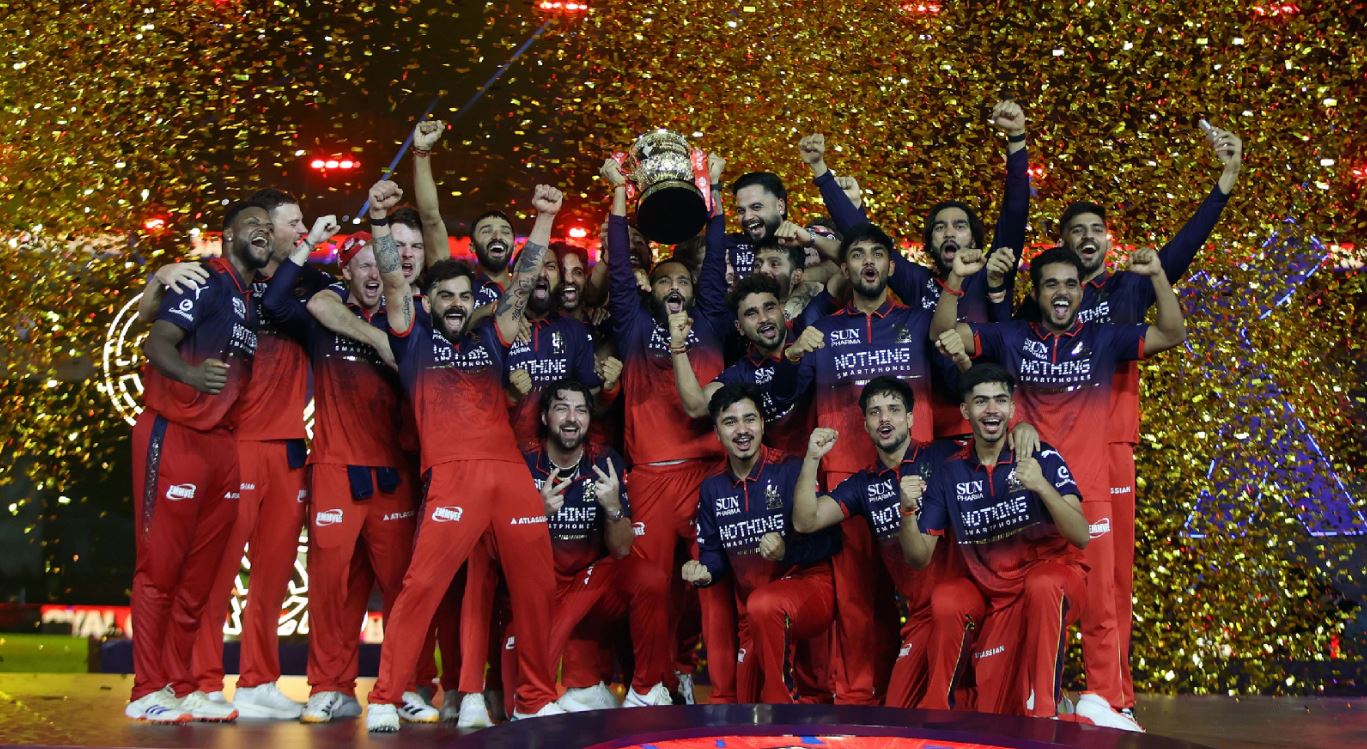
Chasing 156, RCB reached 161/5 with two overs to spare. The victory gave Bengaluru its second consecutive IPL championship and they made only the third franchise, after Chennai Super Kings and Mumbai Indians, to successfully defend the IPL title.
For a franchise that waited 18 years for its first IPL trophy, the second title carries a different significance. The 2025 championship ended RCB's long wait. RCB became only the third franchise, after Chennai Super Kings and Mumbai Indians, to successfully defend an IPL title.
IPL 2026 Final: Royal Challengers vs Titans at a Glance
Detail | Result |
Final | Royal Challengers Bengaluru vs Gujarat Titans |
Winner | Royal Challengers Bengaluru |
Margin | 5 wickets |
Gujarat Titans | 155/8 |
RCB | 161/5 |
Venue | Narendra Modi Stadium, Ahmedabad |
The result was built on a disciplined bowling performance followed by a controlled chase. Bengaluru team captain Rajat Patidar won the toss and chose to bowl, and the decision quickly paid off.
From "Ee Sala Cup Namde" to Back-to-Back Champions
For years, "Ee Sala Cup Namde" represented the optimism of royal challengers supporters. Every season brought another opportunity, but the trophy remained out of reach.
The first championship in 2025 ended an 18-year wait. The 2026 victory has taken that achievement a step further by proving that RCB can remain at the top rather than simply breaking through once.
The final was a strong example of that improvement. Gujarat Titans were restricted to 155/8, while RCB's chase remained under control despite losing wickets during the middle overs. The defending champions eventually reached 161/5 with 12 balls remaining.
For a franchise once defined by final defeats, consecutive titles represent a major change in its IPL history.
Virat Kohli Delivers When It Matters Most
Virat Kohli has been part of RCB's journey from the beginning, making the 2026 title particularly meaningful for one of the franchise's most important players.
In the final, he produced another decisive performance. He scored an unbeaten 75 from 42 balls, reaching his half-century from just 25 deliveries and guiding RCB through the chase after Gujarat created some pressure in the middle overs.
Kohli and Venkatesh Iyer gave an explosive start, taking the team to 50 in only 3.3 overs. Iyer contributed 32 from 16 balls before Gujarat fought back with wickets.
Kohli, however, stayed at the crease and controlled the chase. His unbeaten innings earned him the Player of the Match award and gave another championship moment built around one of the longest-serving players in the franchise.
The Real Difference: RCB Finally Built a Complete Team
Royal Challengers earlier campaigns were often built around their batting firepower. In 2026, however, their bowling attack proved just as important, giving the team the balance needed to handle pressure and win crucial matches.
In the final, RCB's seamers used short deliveries effectively against Gujarat's batting order. Josh Hazlewood and Bhuvneshwar Kumar provided important breakthroughs, while Bhuvneshwar finished with his 28th wicket of the season after dismissing Jason Holder.
Gujarat still had a useful contribution from Washington Sundar, who remained unbeaten on 50 from 37 balls, but they prevented the innings from gaining enough momentum to produce a bigger total.
The chase showed the same balance. Venkatesh Iyer provided the early acceleration, Kohli anchored the innings, and Jitesh Sharma helped take the team across the finish line.
That combination of batting depth and bowling consistency is one of the clearest differences between the RCB of earlier years and the back-to-back champions of 2025 and 2026.
Why IPL 2026 Could Mark the Beginning of a Dynasty
It would be too early to call RCB a dynasty after two consecutive titles. Sustained success over several seasons is what ultimately defines an era.
But the back-to-back championships have given the franchise a strong foundation.
They have now joined Chennai Super Kings and Mumbai Indians as the only IPL franchises to successfully defend their titles. That achievement carries particular weight because Royal challengers team had spent so many years trying to win their first championship.
The next challenge will be maintaining this level. Other teams will adapt, the pressure will increase and they will have to continue building a squad capable of competing across an entire season.
For now, though, the evidence is clear: the 2025 title was not an isolated breakthrough.
The Future Looks Brighter Than Ever
RCB's expectations have changed completely.
For much of their history, the question was whether the franchise could finally win an IPL title. After championships in 2025 and 2026, the focus has shifted toward whether they can maintain their position among the league's strongest teams.
The 2026 final also showed that they can win in different ways. They defended a competitive total with disciplined bowling, handled pressure during the chase and relied on contributions from several players rather than one individual.
That is what makes this victory more important than another trophy.
The 2025 championship ended an 18-year wait. The 2026 title showed that RCB can defend their crown.
For a franchise that once lived with the disappointment of repeated final defeats, back-to-back IPL championships represent a remarkable transformation.
Explore the More story and facts: Read More..