

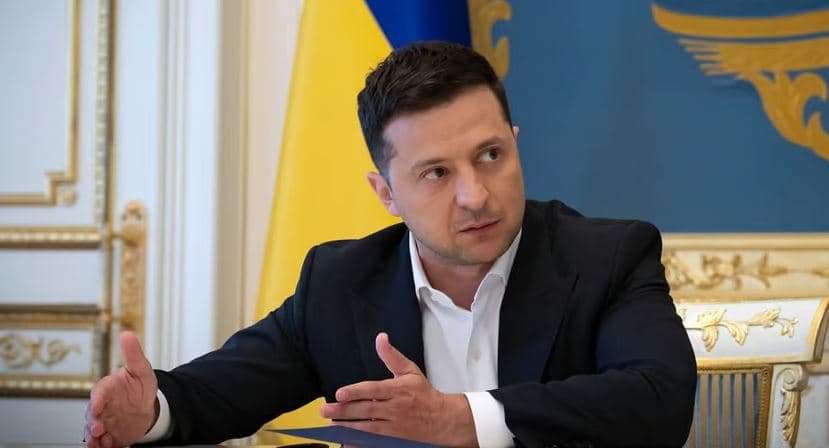
When Volodymyr Zelenskyy announced his presidential candidacy on New Year's Eve in 2018, many Ukrainians thought it was another performance.
After all, Zelenskyy had spent years playing a fictional president on television.
Political analysts dismissed him. Veteran politicians underestimated him. Critics questioned whether a comedian had any place in the highest office in the country.
Less than four years later, he would become the face of one of the most significant military and geopolitical conflicts of the 21st century.
Today, whether viewed as a symbol of democratic resistance or one of the most influential wartime leaders of his generation, Volodymyr Zelenskyy's journey remains one of the most extraordinary political stories in modern history.
Growing Up Far From Power
Unlike many world leaders who emerge from political dynasties or elite institutions, Zelenskyy's story began in Kryvyi Rih, an industrial city known for steel production and mining operations rather than politics.
Born on January 25, 1978, into a Jewish family, Zelenskyy was raised in a household where education was considered essential.
His father, Oleksandr Zelenskyy, built a career in academia and computer science. His mother, Rimma Zelenska, worked as an engineer.
Family friends have often described the household as intellectually demanding but supportive, encouraging curiosity and independent thinking from an early age.
During his childhood, the family spent several years in Mongolia while his father worked abroad. The experience exposed him to different cultures and perspectives long before he became an international political figure.
The Future President Who Studied Law
Zelenskyy earned a law degree from the Kryvyi Rih Economic Institute in 2000.
Interestingly, despite obtaining legal qualifications, he never pursued a traditional legal career.
Instead, he followed a completely different path.
Comedy.
Entertainment.
Storytelling.
At the time, few could have imagined that these skills would later become some of the most powerful political tools available to him.
Building Ukraine's Entertainment Empire
Long before entering politics, Zelenskyy was already a household name throughout Ukraine.
Together with colleagues, he helped build Kvartal 95 into one of Eastern Europe's most successful entertainment companies.
The company produced comedy shows, films, television programs, and cultural content that attracted millions of viewers.
Then came a television series that would unexpectedly alter the course of Ukrainian politics.
The Show That Became Reality
In Servant of the People, Zelenskyy portrayed a high school teacher who unexpectedly becomes president after an anti-corruption speech goes viral online.
The fictional character resonated deeply with audiences frustrated by political scandals and government inefficiency.
What started as satire gradually evolved into something larger.
Many voters began associating Zelenskyy with the values represented by the character he portrayed—honesty, transparency, and a willingness to challenge the political establishment.
Few television writers could have predicted what happened next.
The actor eventually became the president he once pretended to be.
The Election That Shocked Europe
When Zelenskyy formally entered the presidential race in 2018, established political figures largely dismissed his chances.
Political insiders expected experience to prevail.
Instead, voters delivered one of the most decisive election victories in modern Ukrainian history.
In April 2019, Zelenskyy defeated incumbent President Petro Poroshenko with approximately 73 percent of the vote.
The result reflected widespread frustration with traditional political structures and a growing demand for change.
A Presidency Tested by War
By early 2022, Zelenskyy's presidency faced mounting criticism.
Economic challenges, political disagreements, and the effects of the COVID-19 pandemic had weakened public confidence.
Then, on February 24, 2022, Russia launched its full-scale invasion of Ukraine.
Everything changed.
Western governments reportedly offered options for evacuation as Russian forces advanced toward Kyiv.
Zelenskyy chose to remain.
His decision transformed both his presidency and his global reputation.
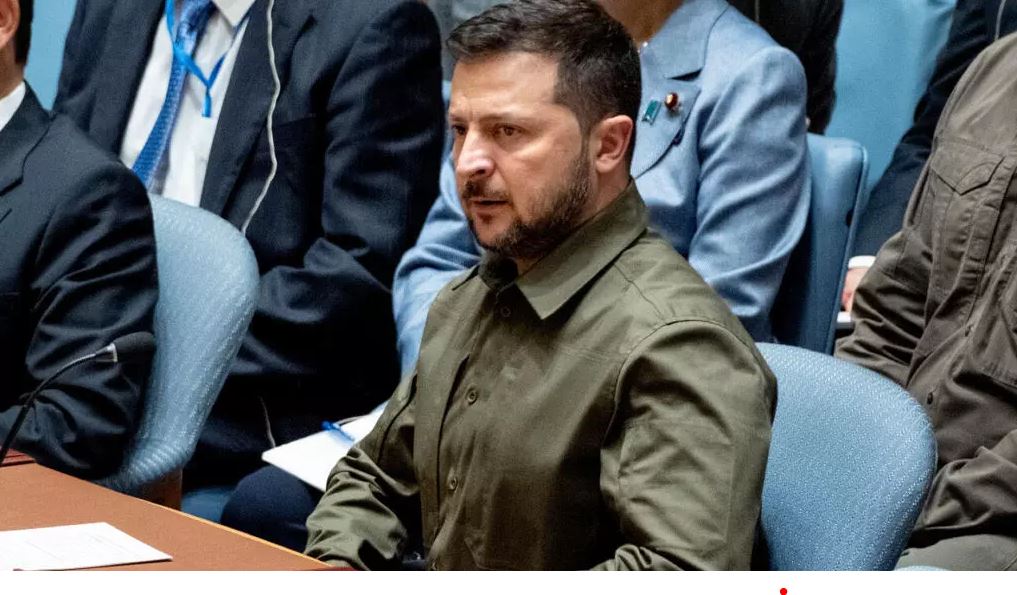
Through nightly video messages, direct communication with citizens, and speeches delivered to legislatures around the world, Zelenskyy became the international face of Ukraine's resistance.
Why Zelenskyy's Communication Strategy Worked
Political communication experts continue to study Zelenskyy's wartime messaging.
Unlike traditional leaders who often rely on carefully staged press conferences, Zelenskyy embraced direct communication.
Videos filmed on city streets.
Short messages recorded from government buildings.
Personal appeals tailored to specific audiences.
The approach felt immediate, authentic, and difficult to ignore.
Supporters viewed it as leadership through presence.
Even some critics acknowledged its effectiveness.
The Wealth Question
Questions about Zelenskyy's finances have generated significant public interest.
Available public records indicate that much of his wealth originated from his entertainment career and business interests developed before entering politics.
Financial disclosures have consistently linked his wealth to media production, intellectual property, and real estate holdings rather than political activity.
As with many high-profile political figures, online speculation often exceeds verified evidence.
For researchers and journalists, distinguishing documented facts from political narratives remains essential.
What Makes Zelenskyy Historically Significant?
History rarely produces leaders whose backgrounds seem so disconnected from the challenges they eventually face.
A comedian became a president.
A television actor became a wartime leader.
A media entrepreneur became one of the most recognizable political figures in the world.
Yet perhaps Zelenskyy's most significant contribution has been demonstrating how modern leadership increasingly depends on communication, visibility, and public trust.
Whether future historians view him primarily as a reformer, a wartime president, or a symbol of national resistance, his impact on Ukraine's modern identity is already undeniable.
Looking Beyond the Headlines
As Ukraine continues navigating conflict, diplomacy, reconstruction, and international partnerships, Zelenskyy's leadership will remain a subject of intense analysis.
What happens next will influence not only Ukraine's future but also broader discussions about democracy, security, and political leadership in the digital age.
For now, one fact remains clear:
Few leaders have traveled a more unexpected road to power than Volodymyr Zelenskyy.