

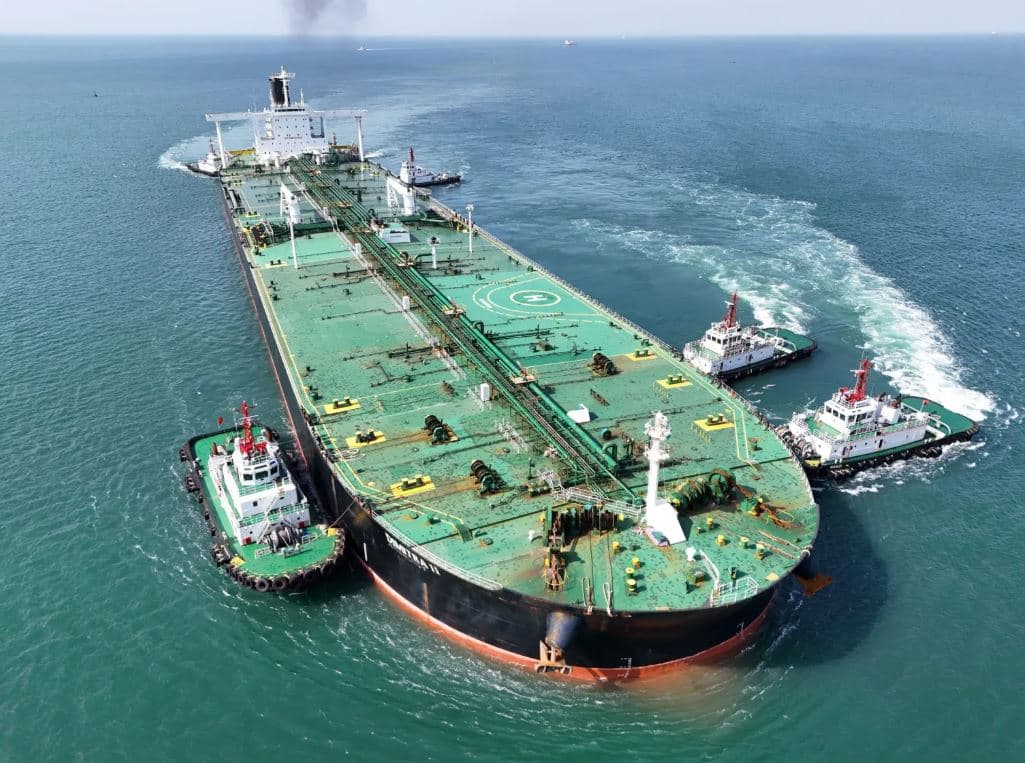
When French naval forces boarded the Tagor, a Russia-linked oil tanker, roughly 400 nautical miles off the Atlantic coast, the story that dominated headlines was the ship itself. The more consequential story is what the operation reveals about where sanctions enforcement is heading.
What Happened in the Atlantic
President Emmanuel Macron confirmed the boarding on June 1, describing an operation carried out on the high seas with support from allies, including the United Kingdom. The Tagor was sailing under a Cameroon flag after reportedly loading crude near Murmansk, according to vessel-tracking data cited by regional outlets.
This was not an isolated event. France has intercepted several tankers tied to Russia's shadow fleet since September 2025:
- Boracay - French forces boarded the tanker off Saint-Nazaire in September. Its captain later faced trial over allegations that the crew refused to cooperate.
- Grinch - The tanker was taken to a French anchorage and later released after its owner paid a multimillion-euro penalty.
- Deyna - French authorities intercepted the vessel in the western Mediterranean over suspected false-flag registration.
Most of these ships were eventually allowed to continue on their way. That pattern is part of why the Tagor boarding matters: it is another data point in a strategy still being tested.
Why the Shadow Fleet Exists
For more than two years, European governments have widened restrictions on Russian energy exports while watching Moscow build workarounds. The result is what shipping analysts call the shadow fleet, a loose network of aging tankers, opaque owners, unfamiliar insurers, and intermediaries operating outside conventional Western maritime channels.
France's Foreign Ministry has estimated that this fleet, believed to number in the hundreds of vessels, helps finance a significant share of Russia's war effort. The ships typically share a few traits:
- Registration under flags of convenience from non-sanctioning states
- Ownership structures that can be difficult to trace
- Limited or unclear insurance coverage
- Frequent changes to their flags or names
Sanctions Need Enforcement
Sanctions lists and financial restrictions only work if compliance can be verified and enforced. Blacklisting a company does little if a tanker can still load, sail, and unload cargo without meaningful friction. That gap between writing sanctions and enforcing them has been the central weakness in Europe's approach until recently.
The French operation moves past paperwork and financial penalties into direct maritime action. It sends a signal not just to Moscow but to every operator, insurer, and flag registry that has profited from the legal gray zones surrounding Russian oil.
Legal and Diplomatic Complications
Boarding vessels outside territorial waters remains legally delicate. International maritime law generally protects freedom of navigation on the high seas, and enforcement actions there draw scrutiny.
Russia has already reacted sharply to earlier interceptions, with officials at one point describing a prior boarding as an act of piracy. Any move toward a broader interdiction framework is likely to face pushback not only from Moscow but from other states wary of setting precedents that could later apply to their own shipping.
France has generally justified these operations on narrower legal grounds, such as verifying a ship's flag or nationality rather than asserting a general right to search Russian-linked cargo. That distinction has allowed the boardings to proceed without a direct confrontation over sanctions enforcement on the high seas itself.
What Happens if Other Governments Follow
The impact could become larger if other European governments adopt similar measures.
Shadow fleet operators could face:
- Higher insurance costs
- Longer shipping delays
- More frequent inspections
- Greater legal risks for owners and crews
- Increased pressure on companies that handle sanctioned cargo
These costs could change the economics of Russia's shadow fleet.
A fine or sanctions listing may be treated as another business cost. Repeated inspections, delays, insurance problems, and possible cargo seizures could make the trade much harder to operate. That does not mean the shadow fleet would disappear. Russia has already shown that it can adapt its shipping networks. But stronger enforcement could make those networks more expensive and less efficient.
An Exception or a New Phase
France has taken a step that many Western governments have been reluctant to take. It has moved sanctions enforcement from a mainly regulatory process into direct action at sea. Whether the Tagor boarding becomes a template for allied maritime enforcement, or remains one entry in a longer list of isolated incidents, depends on decisions still being made in capitals across Europe.
The pattern so far, ships boarded, inspected, fined, and released, suggests governments are still calibrating how far they are willing to go. The next few interceptions, and how they are resolved, will likely tell policymakers whether this approach can scale.
Explore the More story and facts: Read More..