

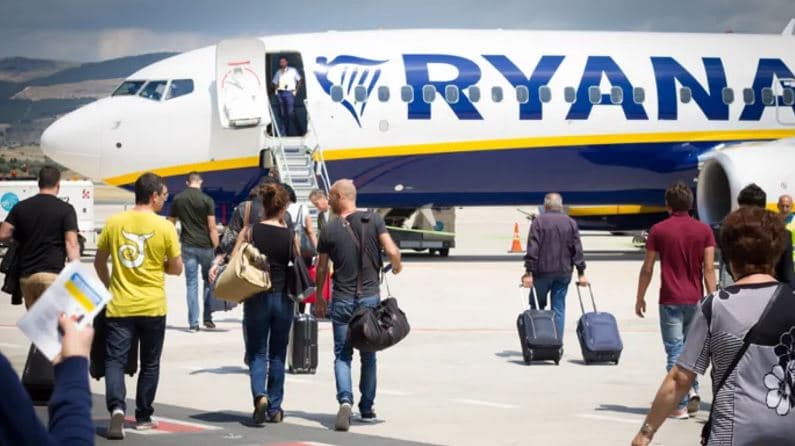
Ryanair reported a 34 percent drop in quarterly profit on Monday, becoming one of the clearest corporate signals yet of how the ongoing Iran war is filtering through into everyday consumer prices and business costs across Europe. Europe's largest airline by passenger numbers posted after-tax profit of 538 million euros for the April to June quarter, down from 820 million euros a year earlier and below analyst forecasts of 579 million euros.
The results illustrate a pattern economists have been tracking since fighting escalated earlier this year: energy shocks tied to Middle East conflict are moving through supply chains unevenly, hitting sectors exposed to unhedged fuel costs harder than those with locked in pricing.
How the Numbers Broke Down
Ryanair's release painted a picture of resilient demand undercut by a genuine cost shock. Passenger numbers grew 6 percent to 61.3 million for the quarter, and overall revenue rose 1 percent to 4.38 billion euros. Average fares, however, fell 6 percent as the airline cut prices to keep seats filled.
The real pressure came from the cost side of the ledger:
- Operating costs rose 11 percent to 3.81 billion euros.
- The price of Ryanair's unhedged jet fuel, roughly 20 percent of its total fuel needs, more than doubled during the quarter.
- Average jet fuel prices reached around 150 US dollars a barrel for the week ending July 10, up 41 percent year on year.
- Brent crude rose above 90 US dollars a barrel amid renewed exchanges of fire between the US and Iran.
Chief executive Michael O'Leary attributed the fare cuts largely to the Middle East conflict, along with the timing of Easter, saying the airline moved to stimulate bookings as consumer hesitancy around air travel increased.
Why Hedging Strategy Now Defines Airline Winners and Losers
The Hormuz Bottleneck
The scale of the fuel shock traces back to disruption in the Strait of Hormuz, a critical corridor for global oil and gas shipments that has seen traffic grind to a near halt amid the conflict. The International Energy Agency has warned that Europe could face jet fuel shortages within weeks, given how much of the region's supply historically flows from Middle Eastern sources.
This dynamic has turned fuel hedging into a defining factor separating financially stable carriers from those under strain. Ryanair's own guidance points to further consolidation ahead, with O'Leary predicting that airlines carrying heavier unhedged exposure or weaker balance sheets face a difficult winter.
A Balance Sheet Cushion Amid the Shock
Despite the profit decline, Ryanair highlighted one point of financial strength. The airline confirmed it is now debt free after repaying its final 1.2 billion euro bond in May, giving it more room to absorb cost volatility than competitors carrying heavier debt loads.
Ryanair still expects to carry 216 million passengers for the current financial year, a 4 percent increase, suggesting demand itself has not collapsed even as pricing power has weakened.
What This Means for Consumers and the Wider Sector
For travelers, the immediate effect is likely to be continued fare volatility rather than outright price spikes, since airlines are absorbing cost pressure through margins rather than passing all of it on. O'Leary said pricing for the current quarter is trending modestly lower year on year, though bookings are arriving closer to departure dates, making demand harder to forecast.
For the broader European airline sector, the results reinforce a widely watched theme in macroeconomic circles this year: geopolitical shocks are no longer abstract risks priced into futures markets, they are now visible line items in quarterly earnings.