

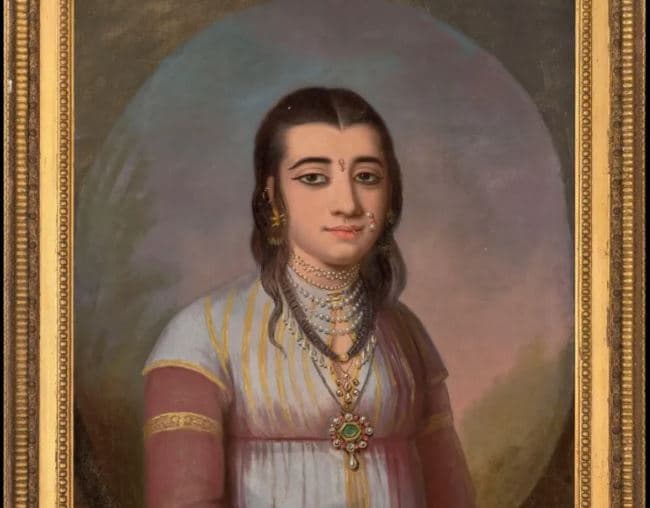
A portrait passed down through generations of one family has been confirmed as the work of 18th century Scottish artist Katherine Read, following a months-long investigation by the BBC's Fake or Fortune. The painting, now estimated to be worth more than £100,000, had sat in private hands for years on nothing more than a family belief about who painted it.
What makes the finding significant goes beyond the valuation. Experts on the programme concluded the portrait may be the earliest recorded painting of an Indian subject by a European woman artist, a claim that required the same kind of document trail and forensic scrutiny used in far higher stakes investigations.
The Painting and Its Owner
The portrait belongs to Mary-Louise Wedderburn, who had long suspected a family connection to Read but lacked the evidence to confirm it. Read was Wedderburn's distant relative and a well-regarded portraitist during her lifetime, known for painting women and children among elite social circles in Europe.
Read's professional reputation did not survive her own era intact. As artistic fashions shifted, many of her works were misattributed to male artists, a pattern that has complicated efforts to trace her true body of work ever since.
Why Attribution Cases Like This Are Difficult
Presenters Fiona Bruce and Philip Mould were tasked with sourcing confirmed Read works to compare directly against Wedderburn's portrait. That comparison process forms the backbone of most Fake or Fortune investigations, and this case proved unusually demanding.
The investigation required the team to:
- Search family archives for supporting letters and records.
- Consult wills and estate documents tied to Read's known travels.
- Cross reference painting techniques with confirmed Read originals.
- Bring in independent specialists to assess style, materials, and historical context.
Building the Evidence Trail
The team traced Read's journey from Europe to Chennai, then known as Madras, piecing together both her movements and the identities of the people she may have painted while there, including figures connected to the Nawabs of Arcot and local Mughal rulers.
Three specialists contributed to the investigation: Professor Catriona Seth, art historian Ashvin Rajagopalan, and artist Lachlan Goudie. Their combined research helped establish a clearer picture of Read as what one contributor described as an intrepid and unconventional figure for her time.
The Forensic and Historical Verdict
British art historian Charles Greig, who reviewed the case, called it one of the most difficult attributions he has assessed. After completing his review, Greig said he was entirely certain the painting was Read's work, adding that it stands as the first recorded painting of an Indian subject by a European woman artist.
Professor Aviva Burnstock also examined the piece as part of the technical assessment process typically used on the programme, which draws on paint analysis and material dating alongside historical research.
What This Means for the Art Market
Authentication cases like this one carry weight well beyond a single family's painting. When a previously unattributed or misattributed work is confirmed, it can reshape scholarly understanding of an artist's full catalogue and influence how museums, auction houses, and collectors value comparable pieces going forward.
For Read specifically, confirming a new work adds to a limited and historically undervalued body of work by a female artist whose career was already overshadowed by misattribution during her lifetime. That makes each confirmed piece more significant to art historians studying how women artists of the period were sidelined from the historical record.
Why Provenance Investigations Matter
Cases like this highlight a recurring problem in art history: attribution often rests on incomplete records, family memory, or assumptions that go unchallenged for generations. Programmes like Fake or Fortune apply a level of scrutiny that most privately held paintings never receive, combining archival research with forensic science to reach a verdict that can withstand expert challenge.
For Wedderburn, the outcome carried personal weight beyond the financial valuation. She described the result as important both because of her family connection to Read and because of who Read was as an artist working against the constraints of her era.