

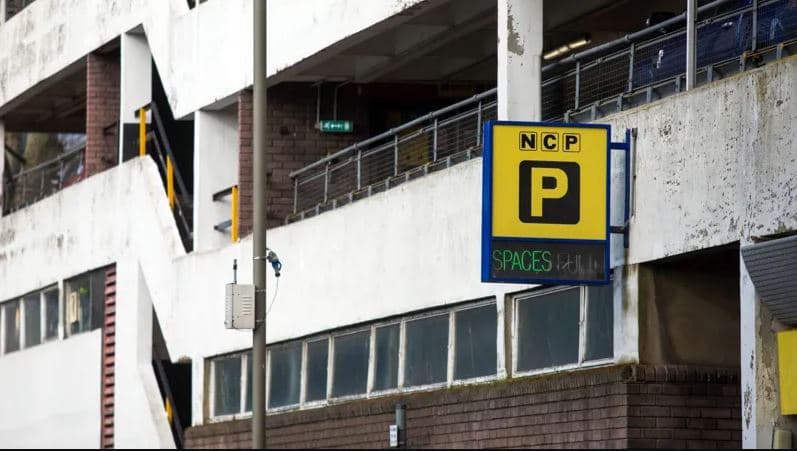
National Car Parks (NCP) has entered administration on March 16, 2026, placing 682 jobs in immediate jeopardy as one of Britain's oldest parking operators succumbs to post-pandemic trading pressures and mounting debt obligations.
PricewaterhouseCoopers (PwC) has been appointed as administrator for the 95-year-old company, which operates 340 car parks across the United Kingdom at strategic locations including airports, hospitals, train stations, and city centers. The administrator confirmed that all sites remain operational with staff continuing in their positions while restructuring options are explored.
Financial Position Reveals Staggering Debt Burden
The parking operator reported a negative net worth of £305.47 million for the fiscal year ending September 2025, alongside total liabilities reaching £352.64 million as of January 2026. This catastrophic financial position leaves creditors facing substantial losses and employees confronting an uncertain future.
Parent company Park24 Co., Ltd., headquartered in Tokyo, maintains a market capitalization of approximately $2.48 billion with trailing twelve-month revenue of $2.72 billion across its global parking operations spanning eight countries. However, the Japanese conglomerate has determined that further investment in the struggling UK subsidiary cannot be justified given persistent structural losses.
What Caused NCP's Collapse?
The administration follows years of deteriorating performance driven by fundamental shifts in consumer behavior and inflexible operational structures. PwC cited demand for parking that has failed to recover to pre-COVID levels, pointing specifically to shifts in commuting patterns and customer driving habits.
Three critical factors precipitated the collapse.
Permanent Demand Destruction: Remote and hybrid working arrangements adopted during the pandemic have become entrenched features of the British labor market. City center and commuter car parks, which historically generated significant revenue, now face permanently reduced utilization rates as workers travel to offices fewer days per week.
Inflexible Lease Obligations: NCP struggled with a high concentration of long-term, inflexible leases that prevented the company from reducing costs or exiting loss-making sites. Even when specific locations hemorrhaged cash, contractual obligations forced continued operation and rent payments.
Rising Operating Costs: Higher energy prices resulting from the Ukraine conflict in 2022 significantly increased operating expenses, compounding revenue pressures. Inflation-linked rent escalations further squeezed already narrow margins.
Who Owns NCP and What Happens Next?
Park24, a Tokyo-listed global parking operator managing more than 19,000 sites across eight countries, has owned NCP since 2017 following acquisition from Macquarie European Infrastructure Fund. The Japanese parent previously acquired the business for an undisclosed sum, viewing it as a strategic entry point into the UK parking market.
The company's ownership history reflects the consolidation trend within parking infrastructure. NCP was founded in 1931 and subsequently changed hands multiple times, including acquisitions by US-based Cendant Corporation, private equity firm 3i in 2005, and Macquarie in 2007.
Zelf Hussain, joint administrator and PwC partner, stated the firm's immediate priority centers on business continuity. PwC will engage with landlords, employees, and stakeholders to explore all options, with selling the business viewed as the best outcome for creditors.
Will NCP Car Parks Remain Open?
All NCP facilities continue operating normally during the administration process, with no immediate changes to parking availability or pricing. Customers can continue using season tickets, pre-booked parking, and casual parking services without disruption.
However, the medium-term outlook depends entirely on whether PwC identifies a viable buyer. Potential purchasers will evaluate whether they can renegotiate unprofitable leases, rationalize the network, and restore the business to sustainable profitability.
How Many Jobs Are At Risk?
The administration places 682 employees at risk across NCP's nationwide operations. These roles span various functions including on-site parking attendants, maintenance staff, customer service teams, and corporate support positions.
While staff remain employed during the administration period, their long-term security hinges on finding a buyer willing to maintain current employment levels. Any acquirer will likely seek to streamline operations, potentially resulting in redundancies even if a sale completes successfully.
Lynn Lavelle, senior HR consultant at WorkNest, emphasized the legal complexities surrounding potential redundancies. Common mistakes include relying on business rationale lacking sound basis, treating consultation as a tick-box exercise, and applying inconsistent selection criteria.
What Does This Mean For The Parking Industry?
NCP's collapse signals broader challenges confronting traditional parking operators in the post-pandemic economy. The company's difficulties reflect systemic changes rather than management failures, suggesting other operators face similar pressures.
The parking sector must adapt to permanently altered demand patterns. The administration reflects an industry still grappling with the long tail of the pandemic, changing work patterns, and the rise of flexible and remote working. Whether buyers perceive long-term value in conventional parking infrastructure will indicate confidence in the sector's future.
Competition from technology-enabled alternatives, including app-based parking solutions and dynamic pricing platforms, further intensifies pressure on traditional operators burdened with legacy lease commitments and aging infrastructure.
Previous Financial Performance
NCP reported a net loss of £5.698 million for the fiscal year ended September 2025, extending a pattern of consecutive annual losses. The company pursued revenue diversification initiatives and implemented cost reduction programs, but structural losses continued with no prospect of cash flow improvement identified.
Management explored various financing options to bridge funding gaps, but the combination of insufficient revenue recovery and imminent rent payment obligations precipitated the administration filing.
What Happens In Administration?
Administration provides breathing space for financially distressed companies while administrators assess restructuring or sale options. The process shields NCP from creditor legal actions, allowing PwC to evaluate the business without immediate liquidation pressure.
Administrators will conduct comprehensive reviews of lease agreements, operational efficiency, and potential buyer interest. Several outcomes remain possible.
Sale as Going Concern: PwC sells NCP's operations to a strategic or financial buyer who continues trading, potentially preserving jobs.
Asset Sale: Individual car parks or regional portfolios are sold separately, with operations wound down.
Liquidation: If no viable sale emerges, the business closes with assets sold to repay creditors.
How Much Does NCP Parking Cost?
NCP's pricing varies by location, with some central London sites charging up to £60 for 24-hour parking. Premium pricing at high-demand locations reflects expensive lease costs and operating expenses that contributed to the company's financial distress.
Provincial locations typically charge lower rates aligned with local market conditions, though these sites often generate insufficient margins to offset central overhead costs.